
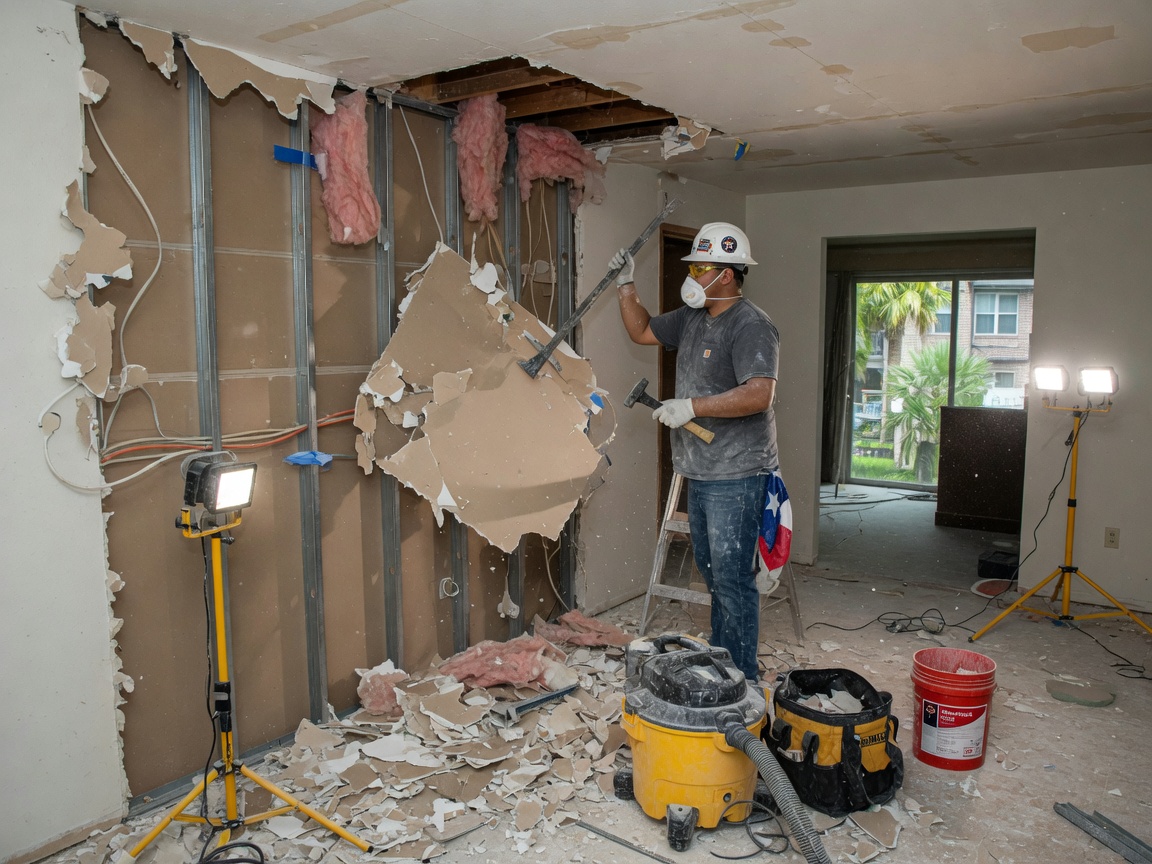
Exotic Biocleanup handles unattended death cleanup and decomposition remediation in Northside's older wood-frame houses built between the 1920s and 1950s. These single-story homes on small lots near Moody Park often have crawlspaces and pier-and-beam foundations where fluids settle quickly in Houston's humid air. Crews work through narrow driveways off Fulton Street and Hogan Street to reach affected rooms without disturbing neighbors in the dense blocks around Northside High School.
Summer heat and moisture in Harris County speed tissue breakdown and odor travel through shared walls and vents, especially in the two-story rentals that line the railroad tracks. Winter jobs still face standing water in yards after heavy rains because Northside drainage follows the old bayou contours. Technicians arrive with equipment sized for these tight access points and focus on subfloor removal and HVAC line cleaning before handing the property back for inspection.
Service runs from Northside into nearby Heights and Midtown when calls come in, always during posted hours. The same crews manage the full process on site, from initial assessment through final clearance, keeping every step contained within the residence.
Around Northside
We regularly work near:
- 📍Moody Park
- 📍Northside High School
- 📍Fulton Street
- 📍Hogan Street
- 📍Northside Metrorail Station
Unattended Death Cleanup in Northside — Local Notes
- •Northside's pier-and-beam homes from the 1920s trap decomposition fluids in crawlspaces that sit inches above clay soil; crews must remove and replace joists after every heavy rain season when groundwater rises.
- •Tight 40-foot-wide lots along Fulton and Main mean equipment must be carried through front doors rather than side yards, extending setup time during humid summer months when odors migrate fastest.
- •Older cast-iron plumbing common in Northside blocks near the railroad often leaks under slabs, allowing bio-matter to travel into neighboring foundations during unattended death cleanup jobs.
- •Mild winters still leave enough residual moisture in unconditioned attics that decomposition odors linger in insulation for weeks unless fully extracted before the next subtropical humidity spike.