
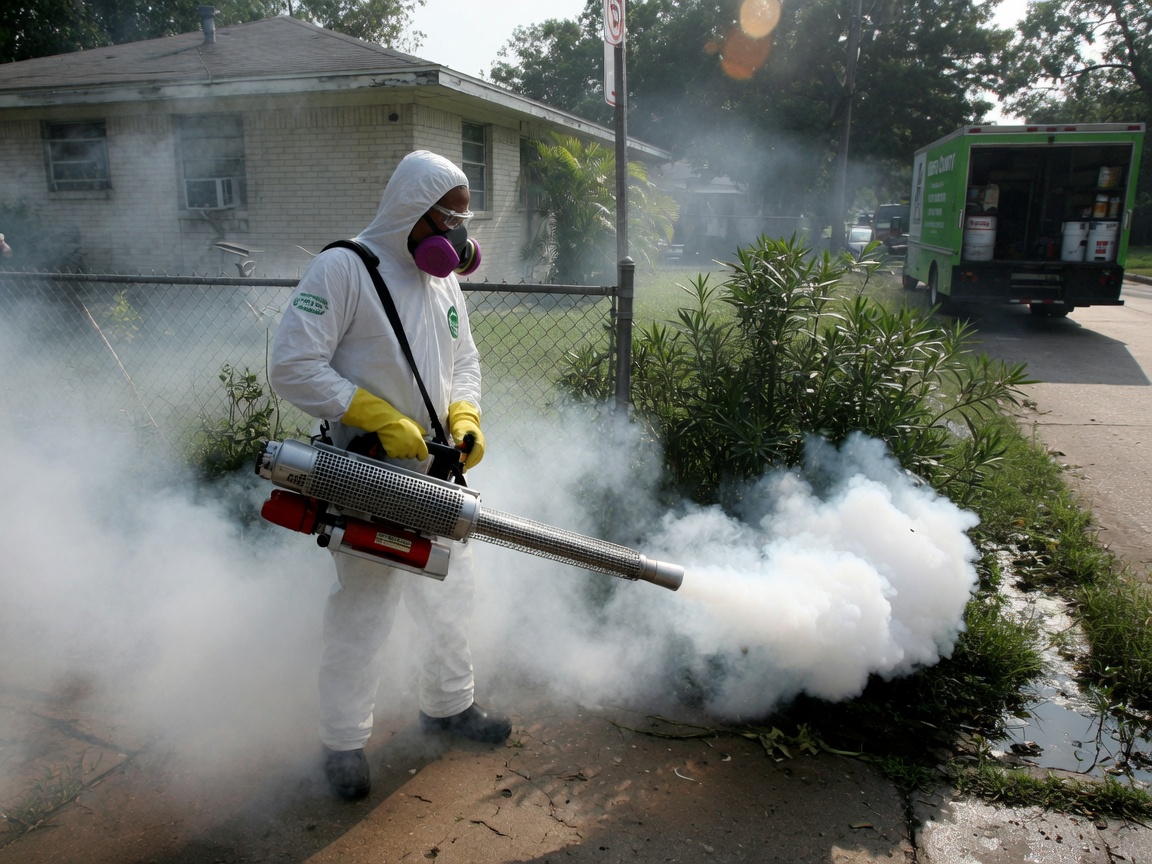
Houston's subtropical climate brings high humidity that allows decomposition odors to penetrate deeply into porous materials like the wood framing common in Heights and Montrose homes built before 1960. Thermal fogging uses heated carriers to carry disinfectants and odor neutralizers into wall cavities, subfloors, and attic spaces where standard sprays cannot reach. In these older neighborhoods, crews must first remove saturated insulation and carpet padding before fogging, or the moisture trapped by the fog itself can restart bacterial growth within days.
River Oaks and Midtown properties often feature mixed construction with plaster walls over lath and modern HVAC returns that spread odors house-wide. Fogging protocols here require sealing returns and running the system on recirculate after treatment to pull residues from ductwork. Downtown high-rises and townhomes add elevator shaft and shared-wall complications that demand coordination with building management to avoid migrating particles into neighboring units.
Pearland and Sugar Land homes sit on clay-heavy soils that hold moisture longer after heavy rains, increasing the chance that odors migrate into crawl spaces. Technicians map moisture readings first and may need to fog from both sides of a slab or raise sections of flooring for direct access. Katy properties with larger lots and detached garages frequently require separate fogging passes for outbuildings where decedents were found.
All work follows Harris County health guidelines for biohazard waste handling, with fog solutions chosen for low residue so homeowners can reoccupy once ventilation clears the space. Multiple applications spaced 24 hours apart are common when humidity exceeds 70 percent, as the extra moisture slows the neutralizer's reaction time.
Technician insight
In Houston the thing that catches most people out with thermal fogging is the humidity. Even after we fog, moisture in the air and in old plaster can let odors rebound within 48 hours unless we run a second pass or pull saturated insulation first, especially in Heights and Montrose homes built before central air was common.
Heights Bungalow After Extended Unattended Death
Odors had migrated from the bedroom into the attic and HVAC in a 1940s Heights home. We sealed returns, removed wet insulation, then applied thermal fog through wall cavities and attic space. A second pass two days later cleared residual smells once humidity dropped, allowing the family to begin restoration.
Thermal Fogging Services We Offer
✓Attic Decomposition Fogging
Heated fog penetrates insulation and rafters in Houston attics where heat and humidity trap odors longest after an unattended death.
✓Crawl Space Odor Neutralization
Targeted fogging reaches under pier-and-beam homes in the Heights and Montrose where soil moisture keeps decomposition residues active.
✓HVAC Ductwork Fogging
Sealed fogging of duct systems prevents odors from recirculating through central air in Midtown and Downtown residences.
✓Multi-Room Thermal Treatment
Whole-home fogging for connected spaces in River Oaks and Sugar Land properties where odors have migrated through shared walls.
✓Garage and Outbuilding Fogging
Separate passes for detached structures common in Pearland and Katy lots where decomposition occurred outside the main residence.
Thermal Fogging Cost in Houston, TX
| Service | Typical Range | What Affects It |
|---|---|---|
| Single Room Fogging | $350–$650 | Higher in older Heights homes with plaster and multiple wall cavities |
| Whole-Home Fogging | $900–$1,800 | Depends on stories and whether crawl space or attic access is needed |
| HVAC Duct Fogging Add-On | $250–$450 | Required when odors have circulated through central systems |
| Crawl Space or Attic Only | $400–$750 | Common in Montrose and River Oaks pier-and-beam properties |
Ranges are typical for Houston, TX and confirmed with an exact written quote before any work starts.
How it works
- 1
Site Assessment
Technicians inspect affected rooms, measure humidity, and identify porous materials in Houston homes before any fog is introduced.
- 2
Prep and Containment
HVAC returns are sealed, occupants and pets are removed, and non-porous surfaces are protected in neighborhoods like the Heights.
- 3
Fog Application
Heated fog is released from multiple points and allowed to dwell, then ventilated according to local humidity levels that day.
- 4
Verification and Clearance
Air quality is checked and surfaces tested before re-entry is allowed, with follow-up visits scheduled if humidity remains high.
Pricing
Pricing varies by square footage, number of affected levels, and current humidity levels in Harris County.